Transitioning to a New Industry Successfully
A comprehensive guide to making a smooth and successful transition into a new industry.
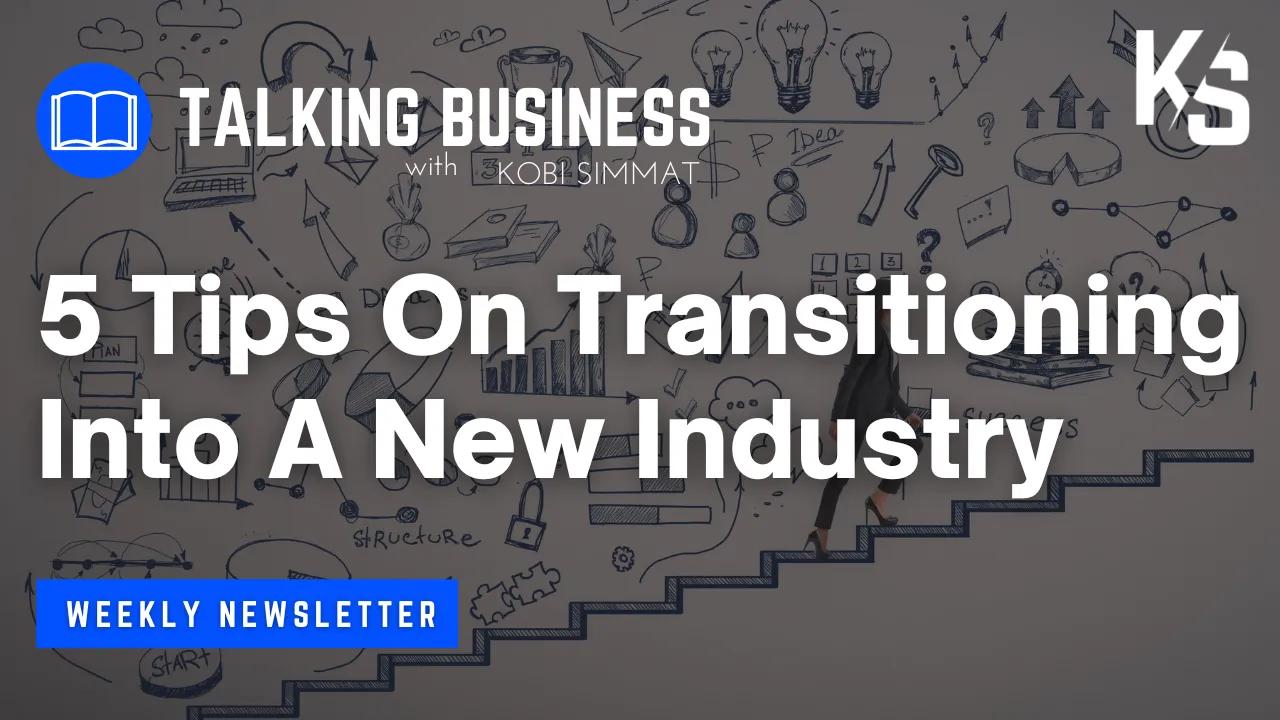
A comprehensive guide to making a smooth and successful transition into a new industry.
Transitioning to a New Industry Successfully Your Ultimate Guide
Understanding the Landscape of Industry Transition
So, you're thinking about making a big leap, a pivot into a completely new industry. Maybe your current field feels stagnant, or perhaps a new passion has ignited a desire for change. Whatever the reason, transitioning to a new industry can feel like a monumental task. It's not just about finding a new job; it's about re-evaluating your skills, understanding new market demands, and often, learning a whole new language of business. This guide is designed to walk you through every step of that journey, from initial self-assessment to landing your dream role in an unfamiliar territory.
Many people find themselves at this crossroads. The global economy is constantly evolving, and with it, the demands on the workforce. Industries rise and fall, technologies emerge, and what was once a stable career path might now feel precarious. Embracing change, rather than resisting it, is key. But how do you do it effectively? It starts with a deep dive into self-reflection and market research.
Self-Assessment and Skill Mapping for Industry Change
Before you even think about applying for jobs, you need to understand what you bring to the table. This isn't just about listing your past job duties; it's about identifying your transferable skills. These are the superpowers you've developed in one context that are highly valuable in another. Think critical thinking, problem-solving, communication, project management, leadership, data analysis, customer service, and adaptability. Almost every role, regardless of industry, requires a core set of these skills.
Identifying Your Core Competencies and Transferable Skills
Grab a pen and paper, or open a document, and start brainstorming. List every significant achievement in your career. For each achievement, break down the skills you utilized. Did you manage a team? That's leadership and project management. Did you analyze complex data to make a decision? That's analytical thinking and problem-solving. Did you present findings to stakeholders? That's communication and presentation skills. Don't underestimate anything. Even seemingly mundane tasks can reveal valuable skills.
Mapping Your Existing Skills to New Industry Requirements
Once you have a robust list of your transferable skills, start researching the industries you're interested in. Look at job descriptions for roles that appeal to you. What skills are they asking for? How do your existing skills align? You might be surprised to find significant overlap. For example, a marketing manager in the retail sector might have excellent project management skills that are highly sought after in the tech industry for product launch management.
Consider using tools to help with this mapping. While not specifically for industry transition, platforms like LinkedIn Skill Assessments can help you identify your strengths. For a more structured approach, consider career assessment tools like the Strong Interest Inventory (typically around $50-100 for the assessment and report) or the Myers-Briggs Type Indicator (MBTI) (similar price range). While these don't directly map skills, they can help you understand your preferences and natural inclinations, guiding you towards industries that might be a better fit for your personality and working style. These are not 'products' in the traditional sense, but valuable assessment tools.
Market Research and Industry Exploration for Career Pivots
Once you know what you have to offer, it's time to understand where you can offer it. This phase is all about deep-diving into your target industries. Don't just look at the big names; explore niche markets, emerging trends, and companies that align with your values.
Identifying Promising Industries and Growth Sectors
Start broad. What industries are currently experiencing significant growth? Think about sectors like renewable energy, artificial intelligence, cybersecurity, digital health, or sustainable agriculture. Read industry reports, business news, and trend analyses. Websites like Statista (subscription-based, but offers free insights) or reports from consulting firms like McKinsey & Company or Deloitte often provide valuable overviews of industry trends and future outlooks. These resources, while not direct products, are essential for informed decision-making.
Researching Target Companies and Roles within New Industries
Once you've narrowed down a few industries, start looking at specific companies. What's their culture like? What are their values? Who are their competitors? More importantly, what roles exist within these companies that align with your transferable skills and interests? Use platforms like Glassdoor (free, with premium features) and LinkedIn Company Pages (free) to get insights into company culture, employee reviews, and available positions. These platforms are invaluable for understanding the day-to-day realities of working in a new industry.
Networking and Informational Interviews for Industry Insights
This is arguably the most critical step. Informational interviews are not job interviews; they are conversations where you learn from someone already working in your target industry. Reach out to people on LinkedIn who have roles you find interesting. Ask them about their career path, what they like and dislike about their industry, and what advice they have for someone looking to transition. Most people are happy to share their experiences, especially if you approach them respectfully and with genuine curiosity.
Consider using a tool like Calendly (free basic plan, paid tiers starting around $10/month) to make scheduling these informational interviews easier. It allows people to book time directly on your calendar without the back-and-forth emails. For managing your network, a simple spreadsheet or a CRM tool like HubSpot CRM (free basic version) can help you keep track of your contacts and conversations.
Bridging the Skill Gap and Acquiring New Knowledge
Even with strong transferable skills, you'll likely have some gaps. This is where targeted learning comes in. You don't necessarily need another four-year degree, but strategic upskilling can make all the difference.
Online Courses and Certifications for New Industry Skills
Online learning platforms have revolutionized skill acquisition. Here are some top contenders:
- Coursera: Offers courses, specializations, and professional certificates from top universities and companies. Many courses are free to audit, with paid options for certificates (typically $39-79/month for specializations, or one-time payments for professional certificates ranging from $200-1000+).
- edX: Similar to Coursera, with courses from leading academic institutions. Offers free audit tracks and verified certificates for a fee (usually $50-300 per course).
- Udemy: A vast marketplace of courses taught by independent instructors. Prices vary widely, often with significant discounts (typical course price $10-200, but frequently on sale for $10-20). Great for practical, hands-on skills.
- LinkedIn Learning: Included with LinkedIn Premium, or available as a standalone subscription (around $29.99/month). Offers a wide range of business, creative, and tech courses, often with industry-recognized instructors.
- Google Career Certificates: Highly practical, job-ready certificates in fields like IT Support, Data Analytics, Project Management, and UX Design. Designed to be completed in 3-6 months and are highly recognized by employers. Available on Coursera, typically around $39/month.
When choosing a course, look for those that offer practical projects, industry-recognized certifications, and strong reviews. Prioritize skills that are repeatedly mentioned in job descriptions for your target roles.
Bootcamps and Intensive Programs for Rapid Skill Development
If you need to make a rapid transition and acquire highly specialized skills, bootcamps can be an excellent option. These are intensive, short-term programs (typically 3-6 months) focused on specific, in-demand skills like coding, data science, UX/UI design, or digital marketing.
- General Assembly: Offers full-time and part-time bootcamps in various tech and design fields. Prices range from $3,000 for part-time courses to $15,000+ for full-time immersive programs.
- Flatiron School: Known for its software engineering, data science, and cybersecurity bootcamps. Prices are typically in the $15,000-$17,000 range.
- Springboard: Offers online bootcamps with a strong focus on mentorship and job guarantees. Prices vary by program, often in the $7,000-$15,000 range.
Bootcamps are a significant investment, so research thoroughly. Look at their job placement rates, alumni reviews, and curriculum. Many offer deferred payment options or income share agreements.
Volunteering and Project-Based Learning for Practical Experience
Sometimes, the best way to gain experience is to create it. Volunteer for a non-profit in your target industry, offer your skills for a pro-bono project, or start a personal project that showcases your new abilities. This demonstrates initiative and provides tangible examples for your resume and portfolio.
Platforms like Catchafire (connects professionals with non-profits for pro-bono work) or Upwork (freelance platform where you can take on small projects to build experience, though you'll be competing with established freelancers) can be good starting points. For personal projects, simply identifying a problem you can solve using your new skills and building a solution can be incredibly powerful.
Crafting Your Narrative and Application Materials for New Industries
Your resume and cover letter for an industry transition need to tell a compelling story. They shouldn't just list your past jobs; they should highlight how your past experiences and newly acquired skills make you the perfect candidate for this new role.
Tailoring Your Resume and Cover Letter for Industry Transition
Forget the chronological resume for a moment. Consider a functional or hybrid resume that emphasizes your skills over your work history. For each bullet point, focus on achievements and quantifiable results, and then connect them to the requirements of the new industry. For example, instead of 'Managed a team of 10 sales representatives,' you might say, 'Led a 10-person team, driving a 15% increase in quarterly revenue, demonstrating strong leadership and project management skills applicable to [New Industry] team leadership roles.'
Your cover letter is where you weave your narrative. Explain why you're making the transition, what excites you about the new industry, and how your unique background makes you a valuable asset. Be enthusiastic and confident.
Building a Portfolio or Case Studies for New Roles
For many roles, especially in creative, tech, or project-based fields, a portfolio is essential. This is where you showcase your projects, whether they're from online courses, bootcamps, or personal initiatives. If you don't have a traditional portfolio, create case studies of your past achievements, detailing the problem, your approach, and the results, always framing them in the context of your target industry.
Tools like Behance (free, for creative portfolios), GitHub (free, for coding projects), or even a simple personal website built with WordPress (free software, hosting costs vary from $5-30/month) or Squarespace (starts around $16/month) can host your portfolio. For case studies, a well-designed PDF or a dedicated section on your LinkedIn profile can work wonders.
Leveraging LinkedIn and Online Presence for Industry Change
Your LinkedIn profile is your digital resume and networking hub. Update your headline and summary to reflect your new career aspirations. Highlight your transferable skills and any new certifications. Engage with content from your target industry, follow key influencers and companies, and participate in relevant groups. This shows your genuine interest and commitment to the new field.
Consider using Canva (free basic, paid pro version around $12.99/month) to create visually appealing graphics for your LinkedIn profile or to design a professional-looking resume or case study document.
Navigating the Job Search and Interview Process in a New Industry
The job search process itself might feel different when you're transitioning. You might face more skepticism, and you'll need to be prepared to articulate your value proposition clearly.
Targeted Job Search Strategies for Industry Pivots
Don't just apply to every job posting. Be strategic. Focus on companies that value diverse backgrounds or those that are known for their strong training programs. Look for roles that explicitly mention transferable skills or a willingness to train. Use advanced search filters on job boards like Indeed (free) and LinkedIn Jobs (free) to find relevant opportunities.
Preparing for Interviews and Addressing the 'Lack of Experience' Question
This is where your narrative comes into play. When asked about your lack of direct experience, pivot to your transferable skills, your passion for the new industry, and your proactive efforts to bridge the skill gap (e.g., mentioning specific courses or projects). Frame your past experience as a unique asset that brings a fresh perspective.
Practice your answers. Use tools like Pramp (free, for mock coding interviews) or simply record yourself answering common interview questions. Focus on behavioral questions (e.g., 'Tell me about a time you faced a challenge...') and tailor your answers to demonstrate skills relevant to the new industry.
Networking and Follow-Up for Success in New Fields
Continue to network throughout your job search. Informational interviews can sometimes lead to job leads, or at the very least, valuable advice. After every interview, send a personalized thank-you note reiterating your interest and highlighting a key takeaway from your conversation.
Consider using a tool like Hunter.io (free basic plan, paid tiers starting around $34/month) to find email addresses for hiring managers or recruiters if you don't have them directly. This can be useful for sending personalized follow-ups.
Embracing the Journey and Maintaining Resilience
Industry transition is rarely a straight line. There will be setbacks, rejections, and moments of doubt. Maintaining a positive mindset and building resilience are crucial.
Managing Expectations and Overcoming Setbacks in Career Change
Understand that this process takes time. It might take longer than a traditional job search. Don't get discouraged by rejections; view them as learning opportunities. Each 'no' brings you closer to a 'yes.' Celebrate small victories, like completing a new course or having a successful informational interview.
Building a Support System and Seeking Mentorship in New Industries
Surround yourself with people who believe in you. Connect with others who have successfully transitioned into new industries. Seek out mentors who can offer guidance and open doors. Online communities, professional associations, and local meetups can be great places to find this support.
Platforms like ADPList (free, for finding mentors in various tech and design fields) or industry-specific Slack communities can be incredibly valuable for finding support and advice.
Continuous Learning and Adaptation in Your New Role
Once you land that new role, the learning doesn't stop. The first few months in a new industry will be a steep learning curve. Be proactive in asking questions, seeking feedback, and continuing to learn. Embrace the beginner's mindset, and you'll quickly become an invaluable asset in your new field.
Transitioning to a new industry is a bold and rewarding endeavor. It requires introspection, diligent research, strategic learning, and unwavering perseverance. By following these steps and leveraging the right resources, you can successfully navigate this exciting journey and unlock a world of new career possibilities.
:max_bytes(150000):strip_icc()/277019-baked-pork-chops-with-cream-of-mushroom-soup-DDMFS-beauty-4x3-BG-7505-5762b731cf30447d9cbbbbbf387beafa.jpg)