The Power of Networking for Entrepreneurs
Understand why networking is crucial for entrepreneurs and how to build valuable connections.
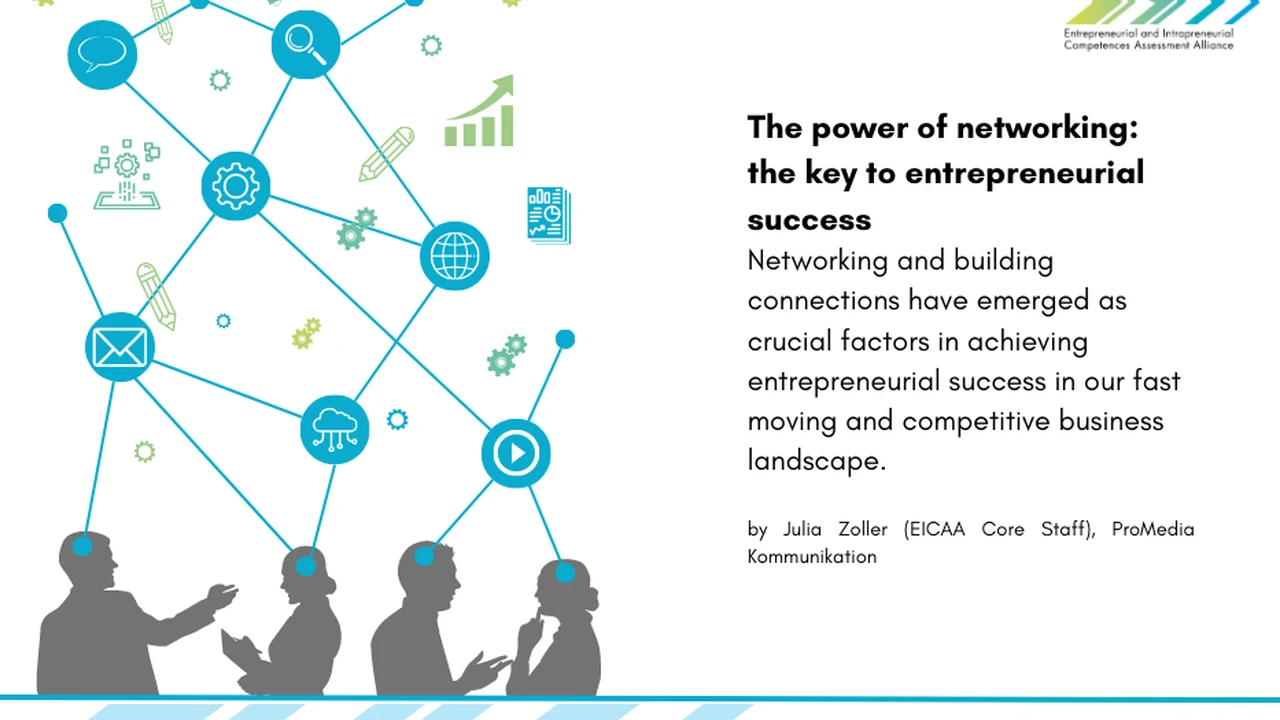
Understand why networking is crucial for entrepreneurs and how to build valuable connections.
The Power of Networking for Entrepreneurs
Why Networking is Your Entrepreneurial Superpower
In the dynamic and often unpredictable world of entrepreneurship, having a robust network isn't just an advantage; it's a necessity. Many aspiring business owners focus intensely on product development, marketing strategies, and financial projections, often overlooking the profound impact that strong connections can have on their journey. Networking, at its core, is about building relationships. It's about connecting with people who can offer advice, support, partnerships, and even new business opportunities. For entrepreneurs, this isn't merely about exchanging business cards; it's about cultivating a community that can propel your venture forward.
Think about it: who will be your first customers? Who will offer critical feedback on your beta product? Who can introduce you to potential investors or mentors? More often than not, these crucial connections stem from your network. A well-nurtured network can provide access to resources, knowledge, and opportunities that would otherwise be out of reach. It can open doors to collaborations, help you navigate challenges, and even provide emotional support during the inevitable ups and downs of building a business. In essence, your network is your safety net, your sounding board, and your launchpad all rolled into one.
Building Your Entrepreneurial Network Strategies and Platforms
Building an effective entrepreneurial network requires a strategic approach. It's not about collecting as many contacts as possible, but rather about fostering meaningful relationships with individuals who align with your vision and can contribute to your growth. Here are some key strategies and platforms to consider:
Attending Industry Events and Conferences for Business Connections
Industry-specific events, trade shows, and conferences are goldmines for networking. These gatherings bring together like-minded professionals, potential partners, investors, and even competitors. The key is to go beyond just attending; actively participate. Ask insightful questions during Q&A sessions, engage in conversations during breaks, and don't be afraid to approach speakers or panelists. Prepare a concise elevator pitch about your venture, but focus more on listening and understanding others' needs. Remember, networking is a two-way street. Offer value, share insights, and look for ways to help others, and opportunities will naturally follow.
Leveraging Online Platforms for Professional Networking
In today's digital age, online platforms are indispensable for networking, especially for entrepreneurs targeting global markets like the US and Southeast Asia. LinkedIn is the undisputed champion for professional networking. Optimize your profile to clearly articulate your entrepreneurial journey and goals. Actively engage in relevant groups, share valuable content, and connect with industry leaders and potential collaborators. Beyond LinkedIn, consider platforms like:
- Meetup.com: Great for finding local entrepreneurial groups, startup meetups, and industry-specific gatherings. Many groups host virtual events, making it accessible regardless of location.
- Facebook Groups: While often seen as a personal platform, many niche Facebook groups are dedicated to entrepreneurship, specific industries, or even local business communities. Engage authentically and provide value.
- Slack Communities: Many industries and entrepreneurial ecosystems have dedicated Slack channels. These can be incredibly valuable for real-time discussions, asking questions, and connecting with peers. Look for communities related to your niche or general startup communities.
- Clubhouse/Twitter Spaces: Audio-only platforms have gained traction for live discussions and networking. Participate in rooms relevant to your industry or entrepreneurial topics, and don't hesitate to raise your hand and contribute.
Joining Entrepreneurial Associations and Incubators for Support
Becoming a member of entrepreneurial associations or participating in startup incubators and accelerators can significantly boost your network. Organizations like the Entrepreneurs' Organization (EO), Young Entrepreneurs' Council (YEC), or local Chambers of Commerce offer exclusive networking events, mentorship programs, and access to resources. Incubators and accelerators, while often competitive, provide an intense networking environment with fellow founders, mentors, and potential investors. These structured environments can fast-track your learning and connection-building.
Comparing Networking Tools and Resources for Entrepreneurs
While the core of networking is human connection, various tools and resources can streamline the process and enhance your efforts. Here's a comparison of some popular options:
Digital Business Card Apps vs Traditional Cards for Contact Exchange
Digital Business Card Apps (e.g., Popl, Blinq, HiHello):
- Pros: Environmentally friendly, easy to update, allows for rich media (links, videos), instant sharing via NFC or QR code, often includes CRM-like features for follow-up. Highly convenient for modern networking.
- Cons: Requires the other person to have a smartphone and be willing to engage with the digital format. Some traditionalists still prefer physical cards.
- Typical Usage: Ideal for quick exchanges at events, conferences, or casual meetings. Allows for immediate saving of contact info.
- Pricing: Many offer free basic versions with premium features (e.g., custom branding, analytics) ranging from $5-$20/month or one-time purchases for NFC tags/cards ($15-$50).
Traditional Business Cards:
- Pros: Tangible, universally accepted, can leave a lasting physical impression.
- Cons: Easily lost or misplaced, static information, less eco-friendly, requires manual data entry for follow-up.
- Typical Usage: Still relevant in some formal settings or for those who prefer a physical exchange.
- Pricing: Varies widely based on quality and quantity, from $20 for 500 basic cards to hundreds for premium designs.
Recommendation: Use a hybrid approach. Have a few traditional cards for those who prefer them, but primarily rely on a digital business card app for efficiency and modern appeal. Popl is a popular choice for its ease of use and NFC tag options.
CRM Software for Relationship Management and Follow Up
Customer Relationship Management (CRM) software isn't just for sales; it's invaluable for managing your network. Keeping track of who you met, where, what you discussed, and when to follow up is crucial for nurturing relationships.
- HubSpot CRM (Free Tier):
- Pros: Excellent free tier with robust contact management, deal tracking, and email scheduling. User-friendly interface. Great for startups.
- Cons: Free tier has limitations on advanced features. Can be overwhelming for absolute beginners.
- Typical Usage: Managing leads, tracking networking interactions, scheduling follow-up emails, and organizing your contact database.
- Pricing: Free for basic CRM. Paid plans start from $45/month for more advanced features.
- Airtable (Free Tier):
- Pros: Highly flexible and customizable. Can be used as a powerful database for contacts, projects, and more. Visually appealing.
- Cons: Requires some setup to create your own CRM system. Not a dedicated CRM out-of-the-box.
- Typical Usage: Building a custom contact management system, tracking networking events, and managing follow-up tasks.
- Pricing: Free for basic usage. Paid plans start from $10/user/month.
- Streak (for Gmail users):
- Pros: Integrates directly into Gmail, turning your inbox into a CRM. Easy to use for individuals or small teams.
- Cons: Primarily for Gmail users. Less robust than standalone CRMs for complex needs.
- Typical Usage: Managing sales pipelines, tracking networking conversations, and setting reminders directly within your email.
- Pricing: Free for personal use. Paid plans start from $15/user/month.
Recommendation: For most early-stage entrepreneurs, HubSpot CRM's free tier is an excellent starting point due to its comprehensive features. If you're a heavy Gmail user, Streak offers seamless integration.
Event Discovery Platforms for Networking Opportunities
Finding the right events to network at is half the battle. These platforms help you discover relevant gatherings:
- Eventbrite:
- Pros: Massive database of events, both online and in-person. Easy to search by industry, location, and topic.
- Cons: Can be overwhelming due to the sheer volume of events. Quality varies.
- Typical Usage: Discovering local and international industry conferences, workshops, and networking mixers.
- Pricing: Free for attendees. Organizers pay a fee.
- Meetup.com:
- Pros: Focuses on community-driven groups and events. Great for finding niche interests and local entrepreneurial communities.
- Cons: Less formal than some professional conferences.
- Typical Usage: Joining local startup groups, co-working meetups, and skill-sharing sessions.
- Pricing: Free for attendees. Organizers pay a subscription fee.
- Industry-Specific Forums and Associations Websites:
- Pros: Highly targeted events relevant to your specific niche. Often higher quality attendees.
- Cons: Requires proactive searching within your industry.
- Typical Usage: Finding major annual conferences, specialized workshops, and exclusive member-only events.
- Pricing: Varies, often included with membership or separate event fees.
Recommendation: Use Eventbrite and Meetup for broad discovery, but prioritize checking websites of industry associations and forums relevant to your specific business for high-value, targeted events.
Mastering the Art of Follow Up and Relationship Nurturing
Meeting people is just the first step; the real magic happens in the follow-up. Many entrepreneurs make the mistake of collecting contacts but failing to nurture those relationships. A strong network is built on trust and mutual value, which takes time and consistent effort.
Effective Follow Up Strategies for Lasting Connections
Aim to follow up within 24-48 hours of meeting someone. Personalize your message, referencing something specific you discussed. This shows you were listening and value the connection. Don't immediately ask for something; instead, offer value. Share an article they might find interesting, connect them with someone in your network, or simply express your enjoyment of the conversation. The goal is to move the relationship beyond a single interaction.
Providing Value and Reciprocity in Your Network
The most successful networkers are givers, not just takers. Always look for opportunities to help others in your network. Can you make an introduction? Share a valuable resource? Offer advice based on your experience? When you consistently provide value, people will be more inclined to reciprocate when you need assistance. This principle of reciprocity is fundamental to building a strong, supportive network.
Maintaining Relationships Over Time with Consistent Engagement
Networking isn't a one-time event; it's an ongoing process. Schedule regular check-ins with key contacts. This could be a quick email, a LinkedIn message, or even a coffee meeting. Share updates about your business, ask about theirs, and continue to look for ways to collaborate or support each other. Tools like your CRM can help you set reminders for these check-ins. Remember, a strong network is a living, breathing entity that requires continuous care and attention.
Common Networking Mistakes to Avoid for Entrepreneurs
While the benefits of networking are clear, many entrepreneurs fall into common traps that hinder their efforts. Being aware of these pitfalls can help you navigate the networking landscape more effectively.
Being Overly Salesy or Transactional in Interactions
One of the biggest turn-offs in networking is approaching interactions with a purely transactional mindset. If your sole aim is to sell your product or service, or to immediately ask for a favor, you'll quickly alienate potential connections. People can sense insincerity. Focus on building genuine relationships first. Understand their needs, offer help, and let the business opportunities emerge organically from a foundation of trust and mutual respect.
Neglecting Follow Up and Nurturing Relationships
As discussed, meeting someone is only the beginning. Many entrepreneurs collect business cards or LinkedIn connections but fail to follow up. This renders the initial interaction almost useless. Without consistent nurturing, those connections will wither. Make follow-up a non-negotiable part of your networking strategy. A simple, personalized message can make all the difference in turning a casual acquaintance into a valuable contact.
Failing to Define Your Networking Goals and Target Audience
Networking without a clear purpose is like sailing without a compass. Before attending an event or reaching out to someone, ask yourself: What do I hope to achieve from this interaction? Am I looking for investors, mentors, potential clients, or strategic partners? Who are the key individuals or types of people I need to connect with? Defining your goals and target audience will help you prioritize your efforts, attend the right events, and engage in more meaningful conversations, leading to more impactful connections for your entrepreneurial journey.
The Long Term Impact of a Strong Entrepreneurial Network
The benefits of a strong entrepreneurial network extend far beyond immediate opportunities. In the long run, your network becomes a powerful asset that can sustain your business through various stages of growth and even during challenging times.
Access to Mentorship and Expert Advice for Business Growth
One of the most invaluable aspects of a robust network is access to experienced mentors and industry experts. These individuals can provide guidance, share lessons learned, and offer critical insights that can save you time, money, and heartache. A mentor can help you navigate complex decisions, avoid common pitfalls, and provide a fresh perspective when you're feeling stuck. This kind of wisdom is often more valuable than any financial investment.
Opening Doors to Funding and Investment Opportunities
While direct pitches are important, many funding opportunities arise through referrals and introductions from your network. Investors often prefer to fund entrepreneurs who come recommended by trusted sources. A strong network can connect you with angel investors, venture capitalists, or even provide insights into alternative funding sources. Building relationships with people in the investment community, even before you need funding, can significantly increase your chances when the time comes.
Facilitating Strategic Partnerships and Collaborations
Your network is a fertile ground for strategic partnerships and collaborations that can accelerate your business growth. This could involve co-marketing initiatives, joint ventures, technology integrations, or even sharing resources. Collaborating with complementary businesses can help you reach new markets, expand your product offerings, and leverage shared expertise, all of which can be crucial for scaling your entrepreneurial venture.
Providing Emotional Support and Resilience in Entrepreneurship
Entrepreneurship can be a lonely journey. There will be moments of doubt, frustration, and overwhelming challenges. A strong network of fellow entrepreneurs, mentors, and supporters can provide much-needed emotional support. Sharing experiences, celebrating successes, and commiserating over failures with people who understand your journey can be incredibly therapeutic and help you build the resilience needed to persevere. This sense of community is often overlooked but is vital for long-term entrepreneurial well-being.
In conclusion, networking is not just an activity; it's a fundamental pillar of entrepreneurial success. By strategically building, nurturing, and leveraging your connections, you create a powerful ecosystem that supports your vision, opens doors to unparalleled opportunities, and provides the resilience needed to thrive in the competitive business landscape. Invest in your network, and watch your entrepreneurial journey accelerate.
:max_bytes(150000):strip_icc()/277019-baked-pork-chops-with-cream-of-mushroom-soup-DDMFS-beauty-4x3-BG-7505-5762b731cf30447d9cbbbbbf387beafa.jpg)