Building Resilience as an Entrepreneur
{ "article": [ { "title": "Building Resilience as an Entrepreneur", "meta_description": "Develop resilience to overcome challenges and setbacks inherent in the entrepreneurial journey.", "content": "Develop resilience to overcome challenges and setbacks inherent in the entrepreneurial journey.\n\n

\n\n
Understanding Entrepreneurial Resilience The Foundation of Success
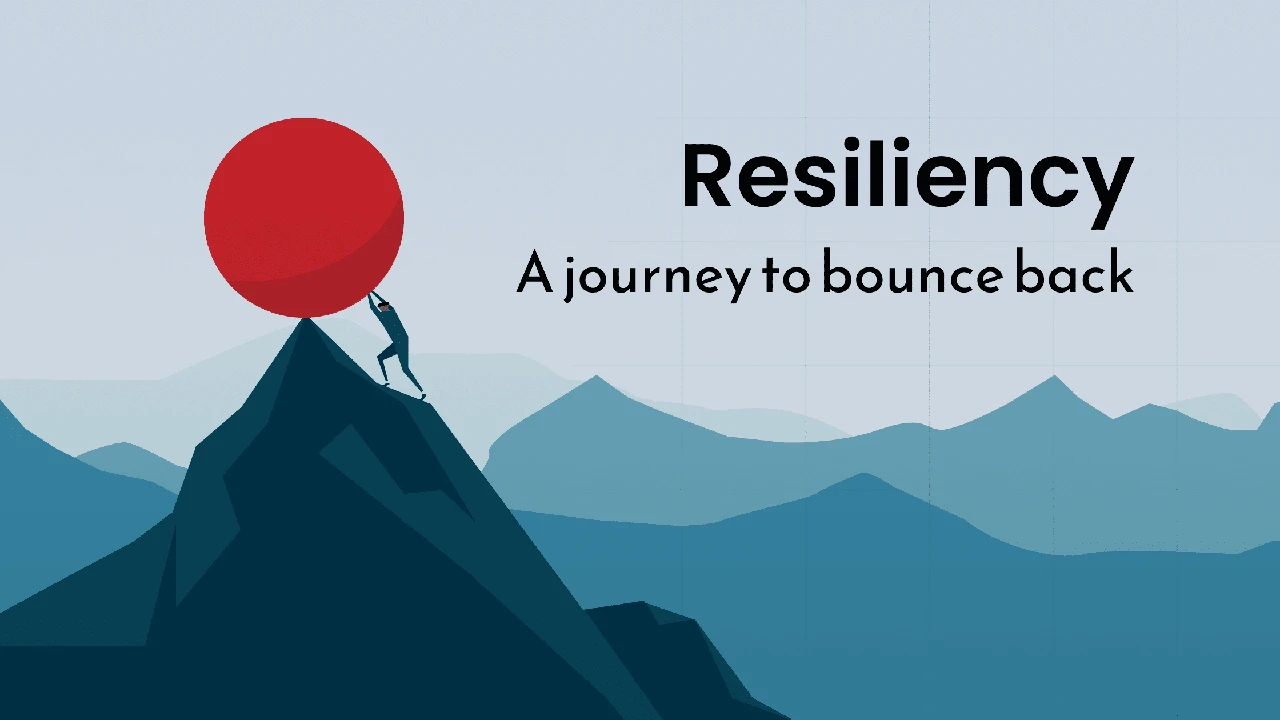
\nEntrepreneurship is often romanticized as a path to freedom and wealth, but the reality is far more complex and demanding. It's a journey fraught with uncertainty, setbacks, and moments of self-doubt. This is precisely why resilience isn't just a desirable trait for entrepreneurs; it's an absolute necessity. Resilience, in the context of entrepreneurship, is the ability to bounce back from adversity, adapt to change, and persist in the face of obstacles. It's about maintaining your drive and vision even when things go sideways, which they inevitably will. Without a strong foundation of resilience, the constant pressures and unpredictable nature of building a business can quickly lead to burnout, discouragement, and ultimately, failure.
\nThink of resilience as your entrepreneurial immune system. Just as your body needs a robust immune system to fight off illnesses, your entrepreneurial spirit needs resilience to withstand market downturns, product failures, funding rejections, and competitive pressures. It’s not about avoiding challenges, but about having the mental and emotional fortitude to navigate them effectively. This section will delve into what entrepreneurial resilience truly means, why it's paramount for long-term success, and how it differs from mere stubbornness or optimism. We'll explore the psychological underpinnings of resilience, including cognitive flexibility, emotional regulation, and a strong sense of purpose. Understanding these core components is the first step toward actively cultivating them within yourself.
\n\nCommon Entrepreneurial Challenges Navigating the Storm
\nThe entrepreneurial landscape is a minefield of potential challenges. From the initial struggle to find product-market fit to scaling operations and managing cash flow, every stage of a business presents its own unique set of hurdles. One of the most common challenges is financial instability. Many startups operate on thin margins, and unexpected expenses or slower-than-anticipated revenue growth can quickly lead to stress and difficult decisions. Another significant hurdle is market rejection or product failure. You might pour months or even years into developing a product or service, only to find that customers aren't interested, or a competitor has beaten you to the punch. This can be incredibly disheartening and test your resolve.
\nBeyond external factors, entrepreneurs often face internal battles. The isolation of being a founder, the pressure to constantly perform, and the blurring lines between work and personal life can take a heavy toll on mental health. Imposter syndrome, fear of failure, and self-doubt are common companions on the entrepreneurial journey. Furthermore, managing teams, dealing with difficult employees, and navigating complex legal and regulatory environments add layers of complexity. This section will detail these common challenges, providing real-world examples and illustrating how they can impact an entrepreneur's well-being and business trajectory. By acknowledging and understanding these potential pitfalls, you can better prepare yourself mentally and strategically to face them head-on, rather than being blindsided.
\n\nStrategies for Cultivating Resilience Building Your Inner Strength
\nResilience isn't an innate trait that some people have and others don't; it's a skill that can be developed and strengthened over time through conscious effort and practice. One of the most effective strategies is to cultivate a growth mindset. This involves viewing challenges and failures not as insurmountable obstacles, but as opportunities for learning and improvement. Instead of saying, 'I failed,' a growth mindset encourages you to say, 'I learned something valuable.' This shift in perspective is crucial for maintaining motivation and adapting your approach.
\nAnother vital strategy is to build a strong support network. Entrepreneurship can be a lonely journey, and having a network of mentors, fellow entrepreneurs, friends, and family who understand your struggles and can offer encouragement and advice is invaluable. Regularly connecting with others who are on a similar path can provide perspective, reduce feelings of isolation, and offer practical solutions to problems. Prioritizing self-care is also non-negotiable. This includes getting adequate sleep, eating healthy, exercising regularly, and engaging in activities that bring you joy and help you de-stress. Neglecting your physical and mental well-being will inevitably erode your ability to cope with pressure and make sound decisions.
\nDeveloping strong problem-solving skills and embracing adaptability are also key. The entrepreneurial world is constantly changing, and the ability to pivot, innovate, and find creative solutions to unexpected problems is a hallmark of resilient founders. This section will explore these and other practical strategies in depth, providing actionable steps you can take to build your inner strength and enhance your capacity to bounce back from adversity. We'll also discuss the importance of setting realistic expectations, celebrating small wins, and practicing mindfulness to stay grounded amidst the chaos.
\n\nTools and Resources for Enhancing Resilience Practical Applications
\nWhile resilience is largely an internal quality, there are numerous external tools and resources that can significantly aid entrepreneurs in their journey. These range from digital applications designed to improve mental well-being to structured programs and communities that foster a supportive environment. Here are a few examples, along with their use cases, comparisons, and approximate pricing:
\n\nMental Wellness Apps Supporting Your Mind
\nThese apps offer guided meditations, mindfulness exercises, and stress-reduction techniques that can help entrepreneurs manage anxiety, improve focus, and cultivate a calmer mindset. Consistent use can build mental fortitude.
\n- \n
- Calm: \n
- Use Case: Daily meditation, sleep stories, breathing exercises, and masterclasses on various topics like stress, anxiety, and focus. Excellent for beginners and experienced meditators alike. \n
- Comparison: Known for its extensive library of sleep content and celebrity narrators. User-friendly interface. \n
- Pricing: Free basic content; Premium subscription is approximately $69.99/year or $399.99 for a lifetime subscription. \n
- Headspace: \n
- Use Case: Guided meditations for various situations (stress, focus, sleep, relationships), mindful movement exercises, and short SOS meditations for immediate relief. \n
- Comparison: Focuses more on teaching meditation techniques and building a consistent practice. Has a more playful and illustrative design. \n
- Pricing: Free basic content; Premium subscription is approximately $69.99/year or $349.99 for a lifetime subscription. \n
- Insight Timer: \n
- Use Case: Offers the largest free library of guided meditations (over 100,000), talks, and music from thousands of teachers. Great for exploring different styles and teachers. \n
- Comparison: More community-driven and offers a vast amount of free content, making it highly accessible. Less structured than Calm or Headspace for beginners. \n
- Pricing: Largely free; Member Plus subscription is approximately $59.99/year for offline listening, advanced courses, and high-quality audio. \n
- \n
- \n
- \n
Productivity and Organization Tools Streamlining Your Workflow
\nWhile not directly about resilience, effective productivity and organization tools reduce stress by helping entrepreneurs manage their workload, prioritize tasks, and maintain a sense of control amidst chaos. A well-organized entrepreneur is less likely to feel overwhelmed.
\n- \n
- Asana: \n
- Use Case: Project management, task tracking, team collaboration. Helps entrepreneurs keep track of multiple projects, delegate tasks, and monitor progress. \n
- Comparison: Highly visual, flexible, and scalable for teams of all sizes. Offers various views (list, board, timeline, calendar). \n
- Pricing: Free for basic use; Premium plans start around $10.99/user/month (billed annually). \n
- Trello: \n
- Use Case: Simple, visual project management using Kanban boards. Ideal for managing personal tasks, small team projects, or brainstorming. \n
- Comparison: Extremely user-friendly and intuitive, great for visual thinkers. Less robust for complex project management than Asana. \n
- Pricing: Free for basic use; Standard plan is $5/user/month (billed annually). \n
- Notion: \n
- Use Case: All-in-one workspace for notes, tasks, wikis, and databases. Highly customizable for personal organization, team collaboration, and even building public websites. \n
- Comparison: Extremely versatile and powerful, but can have a steeper learning curve. Combines features of many different apps into one. \n
- Pricing: Free for personal use; Plus plan is $8/user/month (billed annually). \n
- \n
- \n
- \n
Coaching and Mentorship Platforms Guided Growth
\nHaving a coach or mentor can provide invaluable guidance, accountability, and emotional support, helping entrepreneurs navigate challenges and develop resilience through external perspective and expertise.
\n- \n
- MentorCruise: \n
- Use Case: Connects mentees with experienced mentors across various industries and specializations (e.g., startup founders, product managers, marketing experts). Offers 1:1 calls, chat support, and personalized guidance. \n
- Comparison: Focuses on structured mentorship relationships with clear goals. Mentors are vetted. \n
- Pricing: Varies widely by mentor, typically ranging from $50-$500+ per month for ongoing mentorship, or per session. \n
- GrowthMentor: \n
- Use Case: Provides access to a community of vetted growth marketing and startup mentors for 1:1 calls. Great for specific advice on growth strategies, fundraising, and scaling. \n
- Comparison: Strong focus on growth and startup-specific challenges. Offers a free trial for initial calls. \n
- Pricing: Membership is approximately $75/month (billed annually) for unlimited calls with mentors. \n
- BetterUp: \n
- Use Case: Offers personalized coaching for leadership development, well-being, and career growth. Combines AI-driven insights with human coaching. Often provided as an employee benefit by larger companies, but also available for individuals. \n
- Comparison: More comprehensive and structured coaching program, often used by companies for their employees. Focuses on holistic development. \n
- Pricing: Typically enterprise-level pricing, but individual plans can range from $300-$1000+ per month depending on coaching frequency and level. \n
- \n
- \n
- \n
Community and Networking Platforms Peer Support
\nConnecting with other entrepreneurs provides a sense of community, shared experience, and practical advice, which are crucial for maintaining morale and resilience.
\n- \n
- Indie Hackers: \n
- Use Case: Online community for founders building profitable online businesses. Features interviews with successful founders, forums for discussion, and product showcases. \n
- Comparison: Focuses on bootstrapped and profitable businesses, offering a realistic view of entrepreneurship. Strong emphasis on transparency and sharing revenue numbers. \n
- Pricing: Free. \n
- Startup Grind: \n
- Use Case: Global community for entrepreneurs, featuring events, conferences, and online content. Great for local networking and learning from successful founders.
- Comparison: Strong emphasis on in-person events and local chapters, fostering direct connections.
- Pricing: Varies by event; some online content is free.
- Founders Network:
- Use Case: Exclusive, invite-only community for tech startup founders. Offers peer advisory boards, expert sessions, and a strong network for fundraising and strategic partnerships.
- Comparison: Highly curated and focused on high-growth tech startups. Provides a more intimate and high-level peer support system.
- Pricing: Membership fees apply, typically in the thousands of dollars annually, reflecting its exclusivity and value.
- \n
Case Studies in Entrepreneurial Resilience Learning from the Best
\nExamining the journeys of successful entrepreneurs often reveals a common thread: their remarkable ability to overcome significant adversity. These aren't just stories of overnight success, but rather of relentless persistence, strategic pivots, and an unwavering belief in their vision despite numerous setbacks. Take, for instance, the story of Brian Chesky and Joe Gebbia, the co-founders of Airbnb. In their early days, they faced constant rejection from investors who couldn't grasp the concept of renting out spare rooms to strangers. They even resorted to selling 'Obama O's' and 'Cap'n McCain's' cereal boxes during the 2008 election to make ends meet and fund their struggling startup. Many would have given up, but their resilience allowed them to iterate, refine their pitch, and eventually secure funding, transforming the hospitality industry.
\nAnother compelling example is Elon Musk. His ventures, Tesla and SpaceX, have faced immense challenges, from production hell at Tesla to multiple rocket failures at SpaceX. There were times when both companies were on the brink of bankruptcy. Yet, Musk's resilience, his ability to learn from failures, and his relentless pursuit of ambitious goals have allowed him to push through these crises. He famously slept on the factory floor during critical production periods, demonstrating a level of commitment and resilience that few possess. These case studies highlight that resilience isn't about avoiding failure, but about how you respond to it. They show that setbacks are often stepping stones to greater success, provided you have the mental toughness to keep going. This section will delve into several such inspiring stories, dissecting the specific challenges faced and the resilient strategies employed by these entrepreneurs, offering valuable lessons for anyone on a similar path.
\n\nThe Long Term Impact of Resilience on Business and Personal Life Sustained Success
\nThe benefits of cultivating entrepreneurial resilience extend far beyond simply surviving tough times; they profoundly impact both the long-term success of your business and your personal well-being. A resilient entrepreneur is better equipped to make sound decisions under pressure, adapt to market shifts, and lead their team through uncertainty. This leads to more sustainable business growth, as the company can weather economic downturns, competitive threats, and internal challenges without collapsing. Resilient leaders also inspire confidence in their employees and investors, fostering a more stable and positive work environment. They are less likely to make impulsive decisions driven by fear and more likely to approach problems with a calm, strategic mindset.
\nOn a personal level, resilience contributes significantly to an entrepreneur's mental and emotional health. By developing the capacity to bounce back from setbacks, you reduce the likelihood of burnout, chronic stress, and anxiety. You learn to separate your self-worth from the success or failure of your business, allowing for a healthier perspective. This leads to a more balanced life, where you can enjoy your personal relationships, hobbies, and overall well-being, rather than being consumed by the demands of your venture. Ultimately, resilience transforms the entrepreneurial journey from a constant battle into a dynamic learning experience, enabling sustained success and a more fulfilling life. It's about building a foundation that allows you not just to survive, but to thrive, no matter what challenges come your way.
" } ] }:max_bytes(150000):strip_icc()/277019-baked-pork-chops-with-cream-of-mushroom-soup-DDMFS-beauty-4x3-BG-7505-5762b731cf30447d9cbbbbbf387beafa.jpg)